

Fish Farming Project
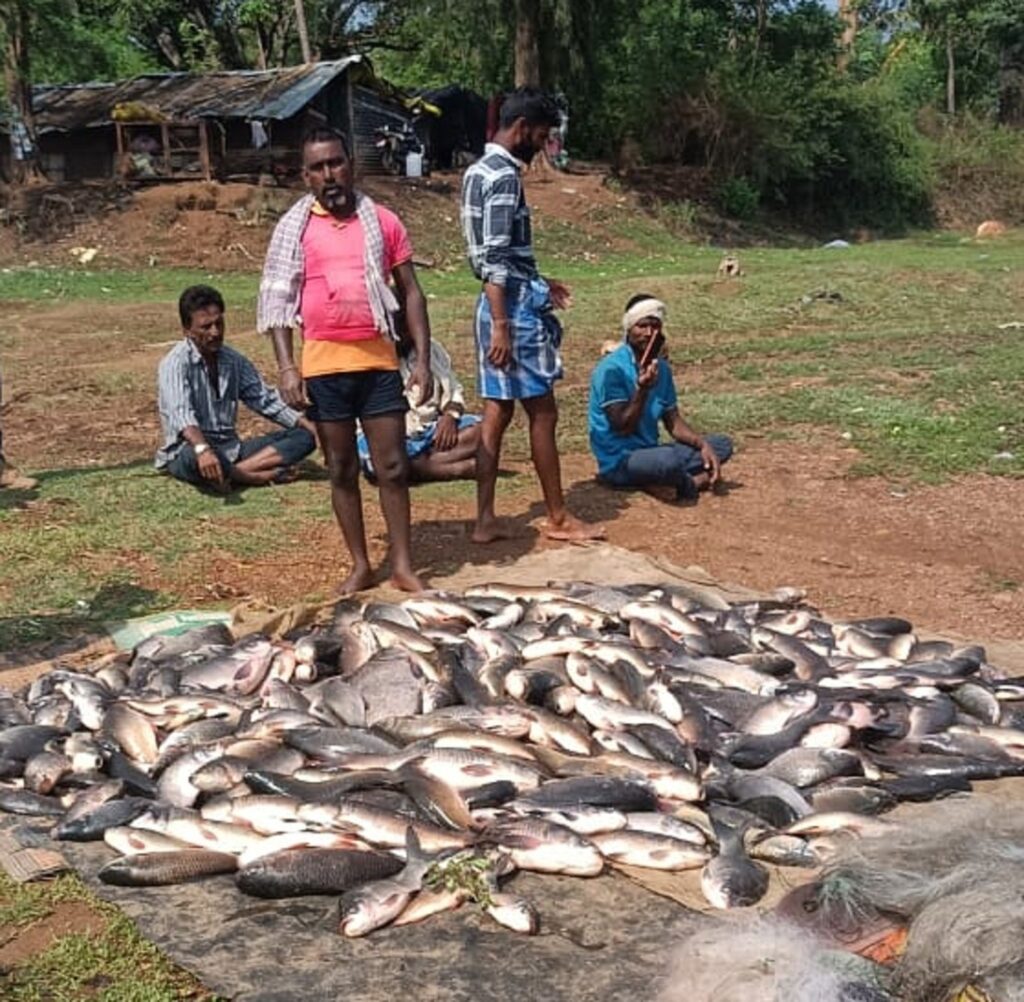
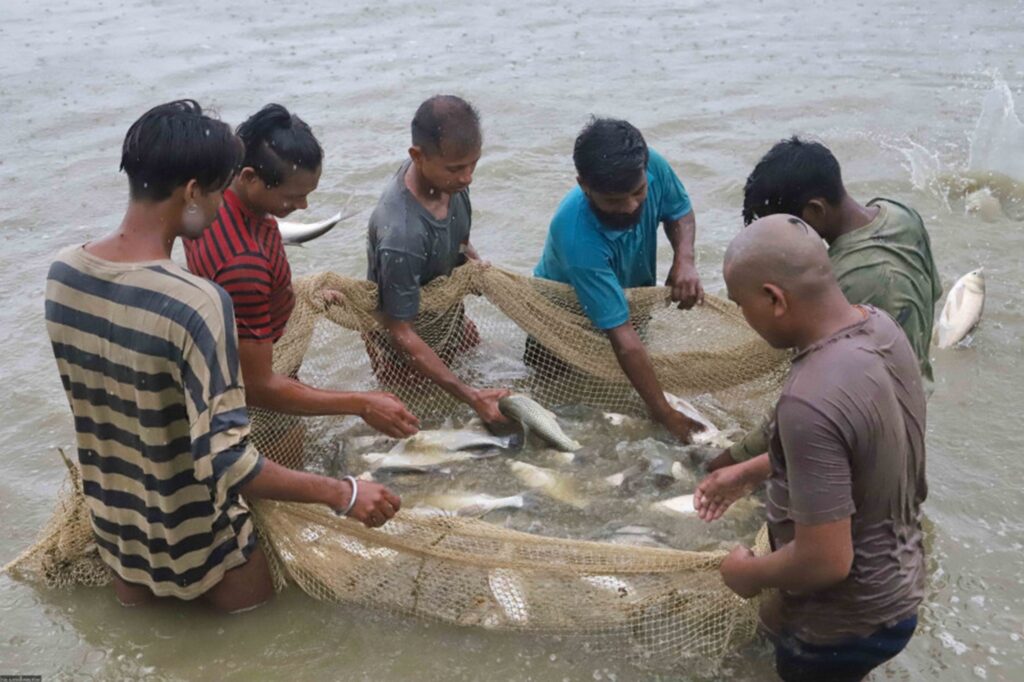
NJECS Empowering Initiative in the village, NJECS is spearheading a transformative fish farming project aimed at economically empowering local communities while promoting environmental sustainability. This initiative integrates modern aquaculture with traditional farming to create lasting livelihood opportunities and strengthen the rural economy.Economic Empowerment: Provide additional income sources to rural families—especially women and youth—through fish farming, boosting annual earnings by 20-30%.Nutritional Improvement: Increase local production of fresh, protein-rich fish to combat malnutrition. Fish supports brain development in children and overall health in adults. Environmental Conservation: Adopt sustainable aquaculture practices using organic feed, water-saving techniques, and eco-friendly methods to preserve water bodies, reduce pollution, and enhance biodiversity.
TAILORING Project
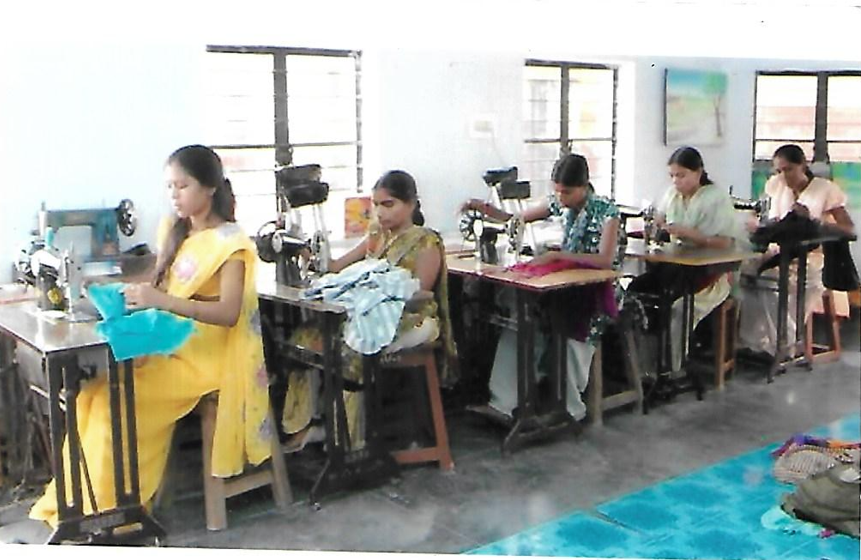
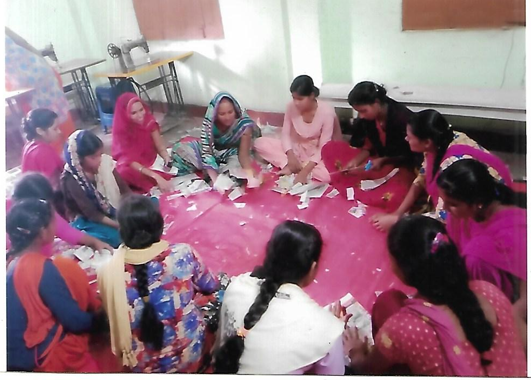
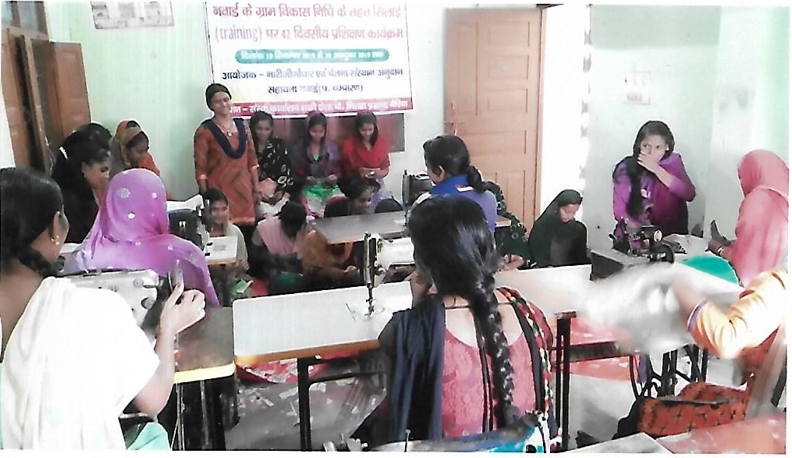
Empower Yourself with JNECS: Learn Tailoring for Free and Stitch a Brighter Future! At JNECS, we believe in uplifting communities through skill-building and self-reliance. Our Free Tailoring Training Program is designed to equip women, youth, and underprivileged individuals with essential sewing and stitching skills—absolutely at no cost. Whether you’re a beginner dreaming of creating your own clothes or an aspiring entrepreneur ready to start a home-based business, this program is your gateway to financial independence and creative expression. Comprehensive Curriculum: Learn the basics of hand and machine stitching, pattern making, garment construction, alterations, and advanced techniques like embroidery and custom designs—all under expert guidance from certified trainers. Hands-On Practice: Get access to modern sewing machines, quality fabrics, and real-world projects to build confidence and a professional portfolio. Empowerment Focus: Tailored for women and marginalized groups, with flexible timings to fit your schedule. Build not just skills, but also the entrepreneurial mindset to launch your own tailoring venture. Additional Perks: Free materials, certificates upon completion, and connections to local markets for job placements or business support. Plus, motivational workshops on financial literacy and women’s empowerment!
MILK AND FOOD FOR POOR CHILDREN
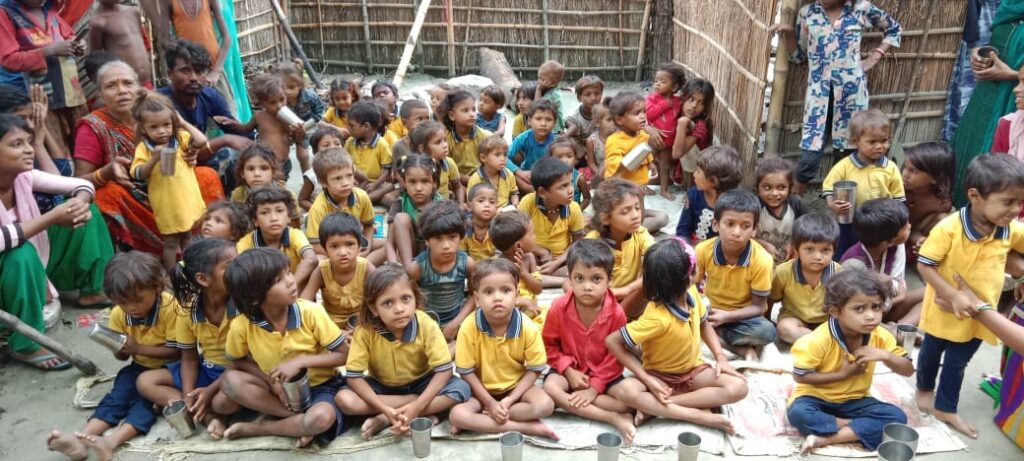
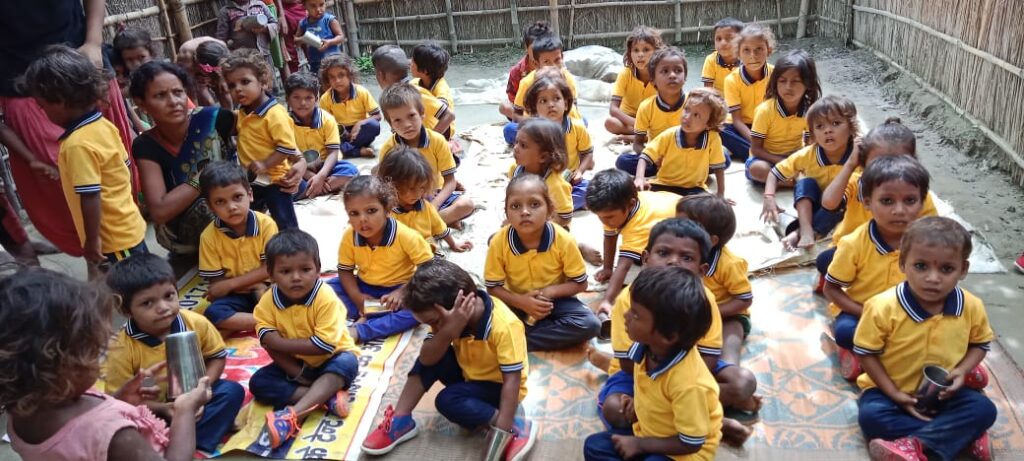
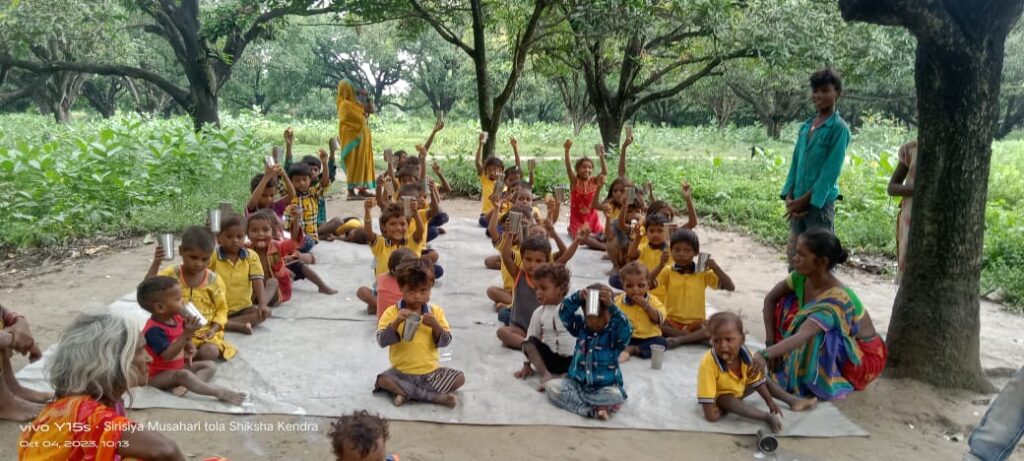
Feeding Dreams, One Meal at a Time at NJECS, we are committed to breaking the cycle of poverty and malnutrition among underprivileged children. Through our Nutritional Support Initiative, we recently distributed wholesome meals and fresh milk to young children from low-income families in West Champaran. This heartfelt effort ensures that no child goes to bed hungry, giving them the energy to focus on education, play, and growth. Highlights of the Distribution Drive: Nutritious Meals: Hot, balanced lunches packed with proteins, vegetables, grains, and essential vitamins to combat malnutrition and boost immunity. Fresh Milk Supply: Daily servings of pure, fortified milk to support bone health, brain development, and overall well-being.Target Beneficiaries: Children aged 5–15 from slum areas, orphanages, and economically challenged households—prioritizing those at risk of dropping out of school due to hunger.Community Impact: Smiles all around as the Children enjoyed their meals! Parents shared stories of improved health and school attendance.
FPO held a meeting with farmers and taught them new methods of farming.
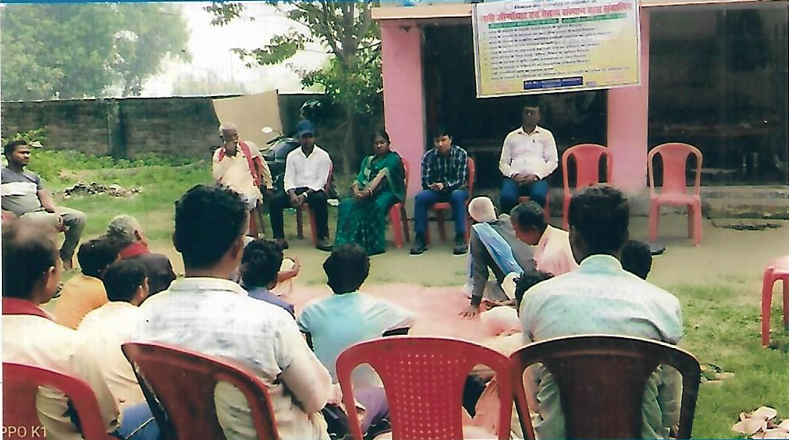

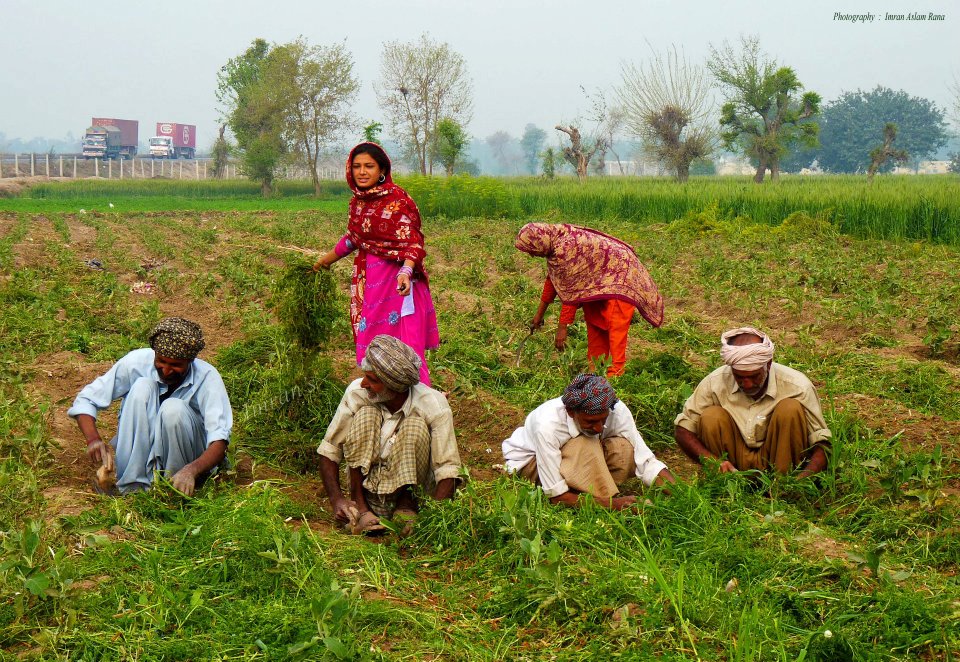
In a vibrant initiative aimed at transforming agricultural practices in rural India, a special training workshop was recently organized at Gramin Setra, bringing together local farmers for an interactive session on adopting new-model farming techniques. The event, held under the auspices of community development programs, focused on equipping participants with practical knowledge of sustainable and high-yield farming methods, including integrated pest management, organic soil enhancement, and precision crop rotation strategies. The session kicked off with engaging demonstrations led by expert agronomists, who shared hands-on insights into implementing these innovative models on smallholder farms. Farmers were guided through real-world applications, from seed selection and water-efficient irrigation to leveraging bio-fertilizers for healthier yields—all tailored to the local climate and soil conditions of the region. The interactive format encouraged questions and group discussions, fostering a collaborative learning environment where participants exchanged their own experiences and challenges.
What stood out most was the palpable wave of enthusiasm rippling through the group. As the day progressed, smiles lit up faces, and animated conversations filled the air—farmers buzzing with excitement over the potential to boost their productivity and income. One attendee remarked, “This isn’t just training; it’s a roadmap to a brighter future for our families and fields.” By the end of the workshop, the sense of empowerment was infectious, with many pledging to pilot these techniques on their plots right away.